Know your people.
Grow your people.

Talent intelligence for organizations where leadership decisions determine outcomes. We combine rigorous psychometric assessment with proprietary analytics to give you clarity when it matters most.

— Practice
20+ years
Of executive assessment
— Clients
Fortune 500
Family offices & growth co.
— Depth
C‑Suite
Board & senior leadership
— Method
6 instruments
Validated psychometrics
— The problem Current State

Most organizations have more data on their people than they realize. Very few know how to use it. The cost of a wrong hire. The stall of a misaligned team. The succession bet that never pays off. These aren't talent problems. They're decision problems. SDL exists to close that gap.

01 — What we do Three practice areas

Rigorous assessment.
Decisions you can stand on.

SVC / 01 A.1

Leadership Selection & Assessment

We go beyond résumés and gut feel. Through rigorous psychometric assessment and structured evaluation processes, we build a clear, evidence‑based portrait of who each candidate truly is—before you make the call. Our multi‑instrument approach surfaces what interviews miss and quantifies what instinct can only guess at.

Executive hiring
Succession candidates
Internal talent calibration
SVC / 02 A.2

Team & Organizational Effectiveness

We decode how your teams actually operate: how decisions get made, where trust erodes, and what's quietly slowing you down. We surface the invisible dynamics—who speaks, who doesn't, and how disagreement really shows up. Then we build the conditions for faster, more candid, more accountable work.

Executive team dynamics
Cross‑functional conflict
Post‑merger integration
SVC / 03 A.3

Succession & Talent Strategy

We turn scattered performance data, 360s, and assessments into a coherent map of your talent pipeline—who's ready, who's developable, and where your real risk points are. The result is a succession process that's defensible, specific, and built for the decisions leaders actually have to make.

Pipeline readiness
Role design
Family business transitions
02 — How we work Three pillars · One method

Better data. Better insight.
Better outcomes.

SDL brings something most advisory firms can't: a proprietary intelligence layer built specifically for talent decisions. We've spent years translating assessment science into systems that make data actionable—not just interesting. The result is a depth of insight that would take a team of analysts months to produce, delivered to the people who need to act on it.

Rigor + Analytics +
Human Judgement
01
— Multi‑instrument rigor

Six validated assessment instruments. One coherent picture.

We use Caliper, Chally, WE-I, MBTI, FIRO-B, and TKI in combination—each illuminating a different dimension of how a person thinks, leads, and responds under pressure. No single tool tells the whole story.

02
— Proprietary analytics

Assessment data that works harder than a report.

Our platform aggregates and cross‑references assessment data across populations, surfaces patterns invisible at the individual level, and generates the kind of narrative insight that turns a debrief into a decision.

03
— Human judgment

Technology amplifies expertise. It doesn't replace it.

Every engagement is led by practitioners with decades of experience in I/O psychology and executive assessment. Data is the input. Judgment is the product.

03 — Our work Five Case Studies

Problems we've solved for organizations like yours.

— Situation

A large organization needed to make a high‑stakes decision about a senior leader who would own a major growth initiative. Internally, opinions were split, and previous gut‑feel hires had been expensive and disruptive. The organization needed a way to make a confident call—and defend it.

— Outcome

The organization made a confident appointment rooted in evidence rather than opinion. Within six months, the new leader had built trust with peers, clarified priorities, and stabilized a function that had previously been a consistent source of churn and rework.

— Situation

An established executive team looked excellent on paper but struggled to operate cohesively. Meetings were tense, decisions were slow, and major initiatives stalled in the gap between agreement in the room and follow‑through outside it. The dysfunction was real—but politely undiscussed.

— Outcome

The team shifted from polite, low‑trust meetings to faster, more candid decision‑making. They reduced standing meetings, clarified ownership for cross‑functional work, and eliminated the side conversations that had been quietly undermining every initiative.

— Situation

A multi‑site organization had years of assessments, 360s, and performance data spread across systems. Leaders complained that despite all the data, they were still flying blind on promotions, succession, and team design. The information existed. The insight didn't.

— Outcome

The organization moved from "interesting reports" to a repeatable process for evidence‑based people decisions— making cleaner calls on contentious promotion decisions and identifying successors for roles that had previously been single points of failure.

— Situation

An organization with deep assessment expertise wanted to extend high‑quality coaching insights to a much larger population. Traditional coaching was too expensive to scale, and earlier product experiments saw low ongoing engagement. The model needed to change.

— Outcome

Early pilots showed significantly higher engagement and more frequent, shorter development touches—exactly the behavior change needed to make development sustainable and cost‑effective across a large population without sacrificing depth.

— Situation

A closely held business was facing a multi‑year leadership and ownership transition. Family and long‑tenured leaders were deeply embedded, but roles, decision rights, and future leadership paths were unclear—creating tension, stalled decisions, and anxiety across the organization.

— Outcome

The business gained a clear view of its next generation of leaders and a concrete roadmap for getting there. Anxiety around succession dropped, and current leadership was freed to focus on strategic planning rather than constant firefighting.

04 — SDL Leadership Family-Owned

The people behind the practice.

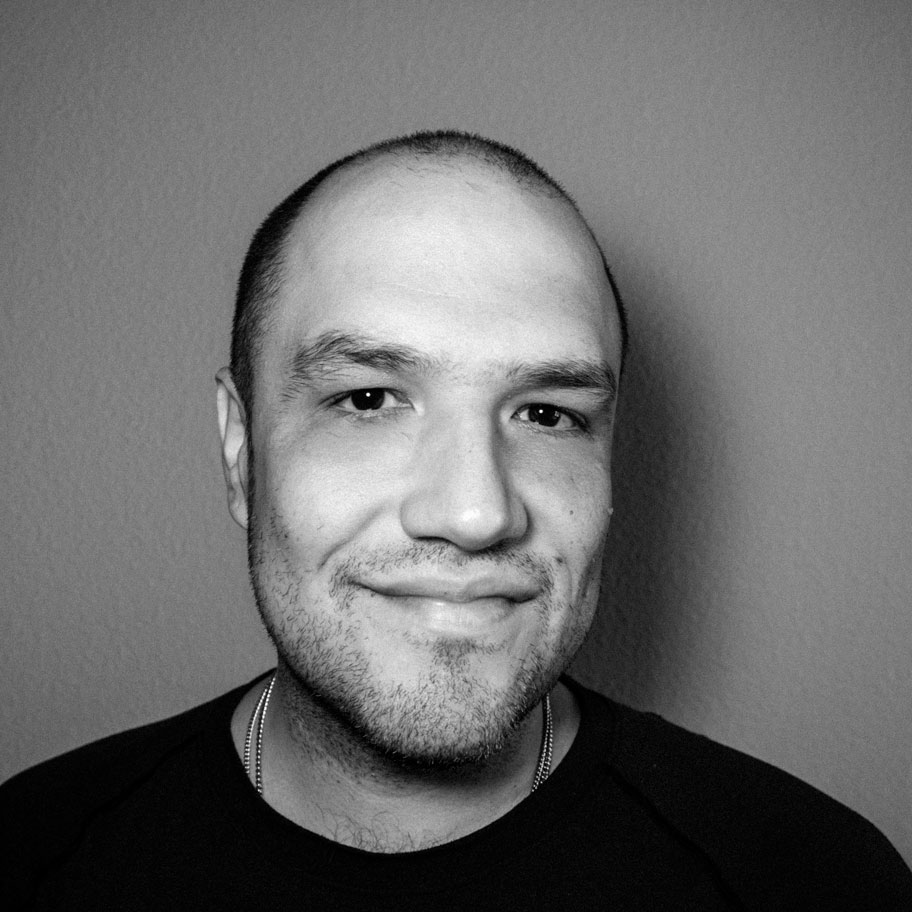
Christian Montoya
— Principal

Christian Montoya

Christian Montoya is the Principal of SDL, a pioneering talent analytics firm. He advises Fortune 500 and family office clientele with over 15 years of psychometric‑informed talent experience. Christian joined SDL in 2009 to meet the challenges created by a fragmented assessment industry—siloed people data, non‑standardized reporting, and underutilized data. He brings 15+ years of organizational consulting and 25+ years of systems engineering and information design to bear in his role.

Previously, Christian has led functions and programs in defense contracting, pharmaceutical, and professional services firms—specifically information security, enterprise accounting, regulated information systems (21 CFR Part 11), and digital production (web, video, print).

in LinkedIn ↗
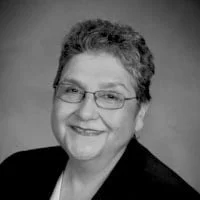
Renée Montoya Lado
— Founder

Renée Montoya Lado

Our founder, Renée Montoya Lado, is an organizational development practitioner with forty years of strategic leadership experience consulting with small, mid‑range, and large companies in a broad range of fields—including manufacturing, corporate real estate, hospitality, technology, and insurance.

Previously, Renée was Executive Vice President of Talent Development for an international firm providing information technology and consulting services across the private and public sectors. There she was responsible for line and staff operations internally, and for external coaching with senior executives, senior officers, and executive teams.

in LinkedIn ↗
05 — Who we serve Typical Client Profiles

We work where the stakes are highest.

AUD / 01 Enterprise

Fortune 500 Organizations

CHROs and boards navigating leadership transitions, M&A integration, succession planning, and the organizational complexity that comes with scale. We've worked at the most consequential levels of some of the world's most recognized companies.

AUD / 02 Growth stage

High‑Growth Companies

Founders and investors making their first critical senior hires—the ones that define culture, set direction, and determine whether early momentum becomes durable growth. Getting these decisions right is everything.

AUD / 03 Private capital

Closely Held Businesses & Family Offices

Ultra‑high‑net‑worth families managing multi‑generational leadership transitions, governance design, and the complex human dynamics that sit beneath every major ownership decision. Trust and confidentiality are baseline requirements.

— Contact / 05 By referral · No pitch

The right decision starts with the right data.

We work with a small number of organizations at any given time. We'd welcome a conversation to hear your challenges. There's no commitment, no pitch—just a direct discussion about what you're facing and whether we're the right fit.

— Begin engagement Start a conversation →